Gamified business negotiation & project management simulation
My Contributions
Game Design
Core gameplay loop
Educational gamification systems
Competitive session structure
Progression & validation systems
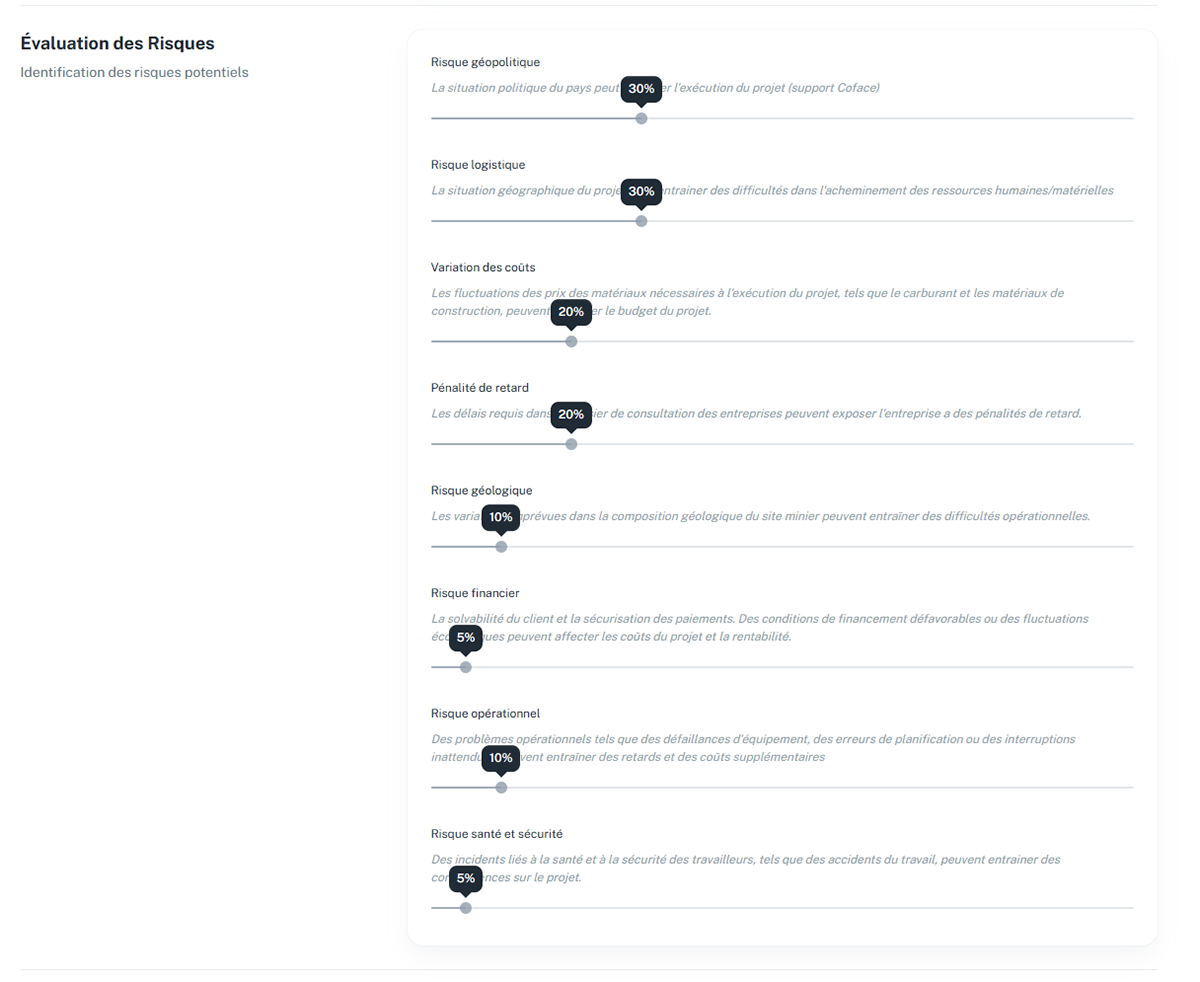
Risk management mechanics
Technical Direction
Global project architecture
UX flow definition
Session management systems
Multiplayer collaborative structure
Production workflow supervision
UI/UX Design
Session navigation
Player readability
Team progression interfaces
Admin dashboard structure
Educational clarity & pacing
Production & Coordination
Feature prioritization
Workflow definition
System documentation
Production supervision
Project Overview
La Mine d’Or is a serious game developed as a multiplayer web application designed for students and professional training environments.
The experience simulates a competitive bidding process where teams must collaborate, analyze project constraints, manage risks, and progressively build a proposal to win a fictional mining contract.
Players are placed into online sessions managed by an administrator and evolve through multiple production and negotiation phases under time constraints, closely replicating real-world project workflows.
The project combines:
Gamification
Collaborative learning
Project management simulation
Risk analysis
Competitive team-based gameplay
Core Gameplay & Learning Loop
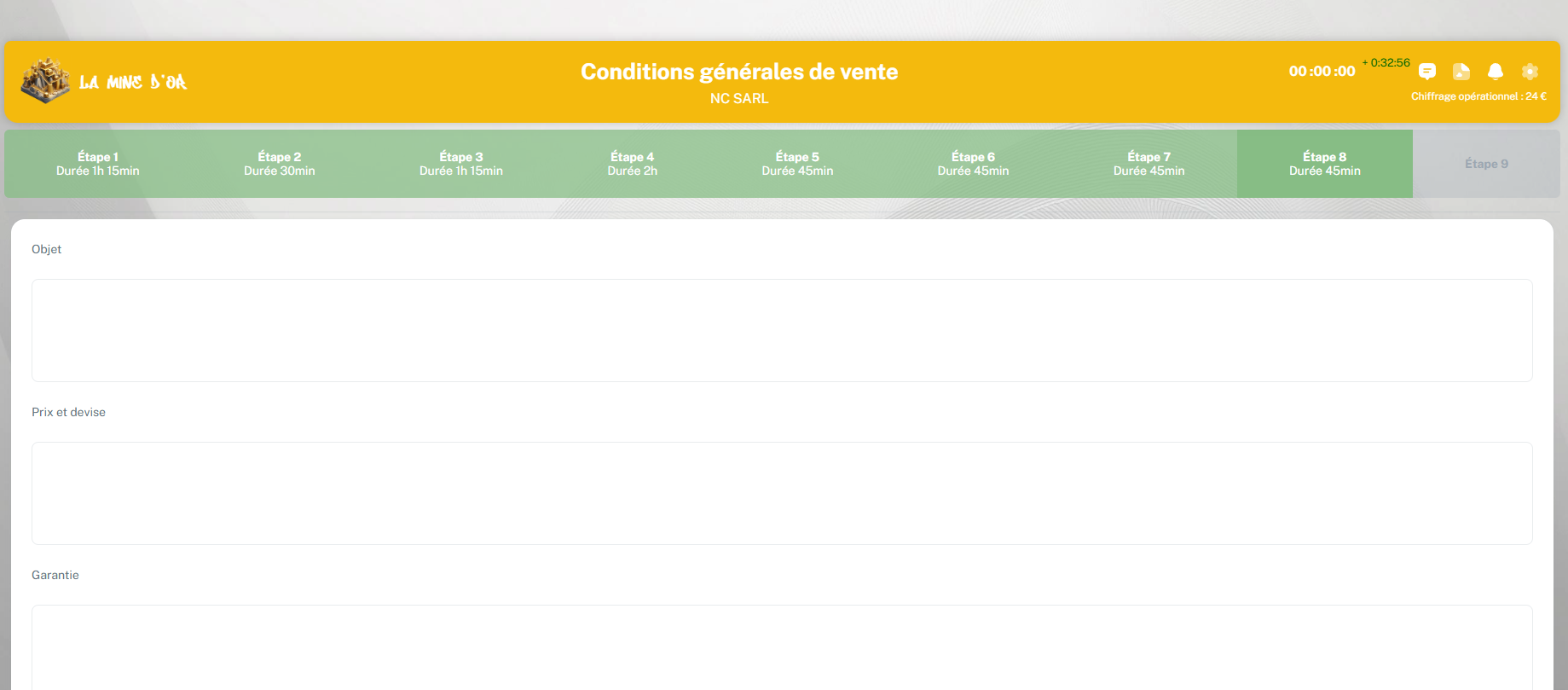
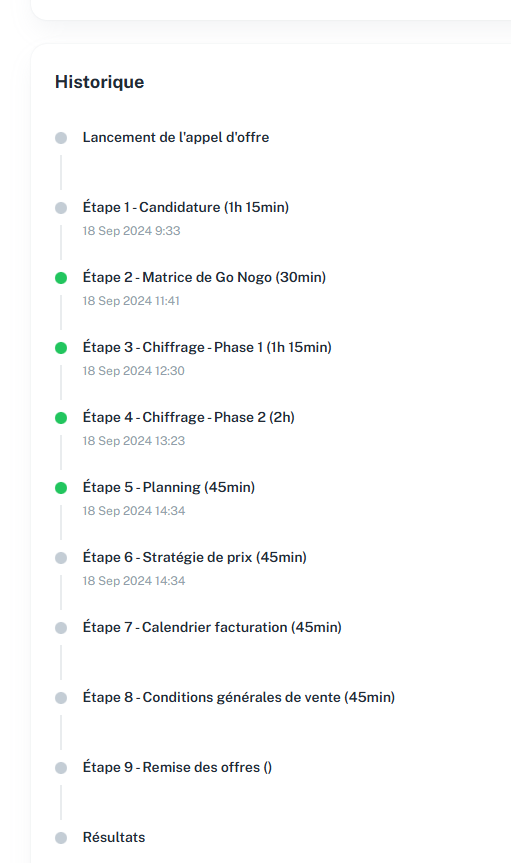
Each session is divided into structured production stages inspired by real industrial bidding pipelines:
Team onboarding
Go / No-Go decision matrix
Budget estimation
Planning & production scheduling
Pricing strategy
Commercial conditions
Final proposal delivery
Throughout the experience:
teams collaborate in real time,
progress through timed objectives,
upload documents,
communicate internally,
and receive validation from session administrators before advancing.
The goal is to create a strong balance between:
strategic thinking,
operational organization,
and competitive pressure.
Main Features
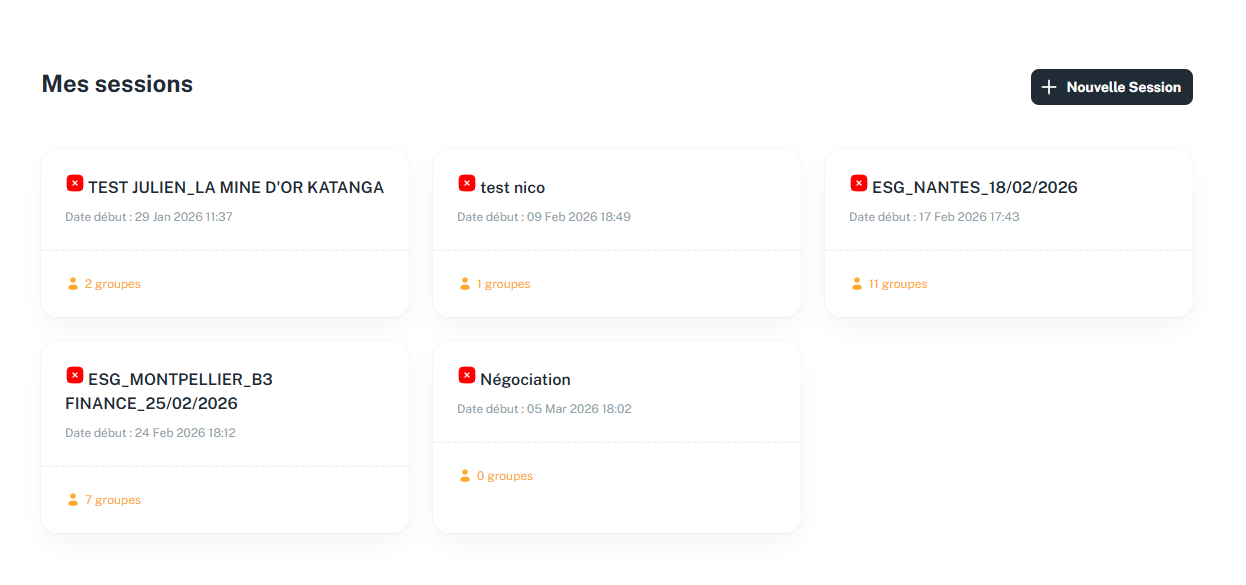
Session-Based Multiplayer Structure
Each game session is fully manageable by an administrator:
session creation,
team management,
document uploads,
progression validation,
and live monitoring.
This allows teachers or trainers to adapt the pace and complexity of the experience depending on the audience.
Progressive Validation System
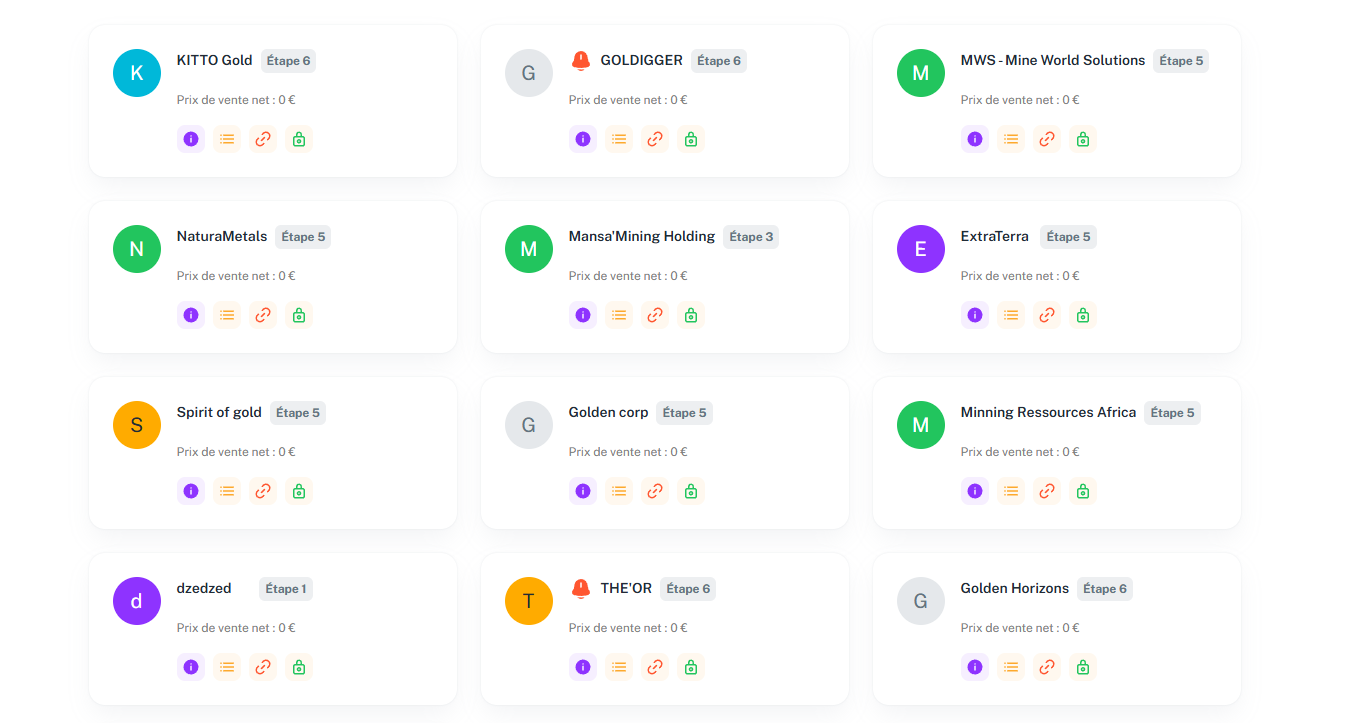
Unlike traditional linear quizzes or learning apps, progression is manually validated:
administrators can approve or reject a team’s progression,
provide corrections,
and create adaptive learning flows.
This introduces flexibility and reinforces mentoring and pedagogy during the session.
Risk Evaluation System
Players must evaluate multiple production risks including:
geopolitical risks,
logistics,
financial uncertainty,
operational issues,
safety concerns,
and cost variations.
These decisions directly influence strategy and scoring during the bidding process.